Category: Estate Administration

Navigate estate administration with confidence. This blog category covers insights on probate, wills, executor duties, asset distribution, and legal requirements. Stay informed with the latest updates, best practices, and step-by-step guidance to simplify the estate settlement process.

  • Why Joint Tenancy for a Spouse is Flawed

    Why Joint Tenancy for a Spouse is Flawed

    Joint tenancy designations fail to take into consideration the risk of incapacity (like illness or a coma), along with the death of each spouse.

    These types of questions and concerns are common during the estate planning process. And, it can be quite surprising to address the pros and cons of designing better strategies for a family home.

    Many married couples who purchase a home ask for joint tenancy. Others make even a bigger mistake by selecting tenancy in common.

    That aside, many couples forget what they designated, until it is far too late. In general though, joint tenancy means that two or more individuals or entities have shared ownership of the real property.

    One of the many reasons two people might do this, is to protect one another in case of death. For example, when a person dies as a joint tenant, their ownership is automatically transferred to the other tenants. Even as we grieve, the surviving owner will automatically be the sole owner of the property.

    Unfortunately, for families who have not transferred their home into a trust or were unable to complete a transfer on death deed, joint tenancy is still a flawed strategy.

    Joint tenancies fail when a surviving spouse dies, gets sick, and or becomes incapacitated. This risk can be lessened by designating an attorney in fact, using a revocable trust, and a host of other supporting documents.

  • Best Times For An Estate Sale

    Best Times For An Estate Sale

    The best time for an estate sale is after it is approved by a court administrator. Even better is when an estate sale is granted as a probate avoidance technique under a trust document. Choosing the optimal time to host an event to rid you of a family member’s personal property is hard.

    Luckily, there are opportunities to maximize your success. For some., this means utilizing Facebook Marketplace. For those who are new to this, maybe timing is more important.

    Again, assuming a court or trust document has already granted a family authority to begin an estate sale, several factors come into play when determining the best time.

    Factors to Consider

    One key aspect to consider is the season. Late spring and early fall are generally considered the ideal seasons for estate sales. During these times, the weather is often milder, encouraging more people to venture out and attend sales. Additionally, individuals tend to be more active in decluttering and refreshing their homes during these transitional seasons, making it an opportune time for selling.

    Weekends are typically preferred over weekdays for estate sales. Saturday is popular because it allows potential buyers to allocate more time to explore the sale without the constraints of work obligations. Sunday can also be a viable option, although some people may have religious or family commitments.

    If possible, schedule the estate sale around other garage sale events. One of my favorite events all year long is Woodbury’s Lion’s Garage Sale. Of course, most estate administrations needs are without notice, but you get the point.

    Also, avoid scheduling the event during major holidays or local events that could divert potential buyers’ attention elsewhere. Holidays often mean people are engaged in family gatherings or other activities, reducing the likelihood of attendance. Additionally, checking the local calendar for community events, festivals, or large-scale activities is essential.

    Again, the best time to have an estate sale is typically during the spring or fall, on a weekend, preferably a Saturday, avoiding major holidays or local events. Being mindful of the local market conditions and economic factors will also contribute to a successful administration of your loved one’s property.

  • Multiple Trustees Acting At Once

    Multiple Trustees Acting At Once

    Having multiple trustees named in a trust document can offer several advantages. However, it also comes with its own set of challenges. Here, I will explore the pros and cons of having more than one trustee acting simultaneously.

    Pros:

    1. Diverse Expertise: Having more than one trustee can bring a variety of skills and expertise to the management of the trust. This can be especially beneficial if the trust involves complex financial or legal matters, as each fiduciary may have a unique perspective and knowledge base.
    2. Checks and Balances: Having more than one trustee provides a system of checks and balances. This helps prevent the abuse of power or decision-making by a single individual, reducing the risk of fraud or unethical behavior.
    3. Continuity: In the event that one trustee becomes incapacitated, resigns, or passes away, having multiple trustees ensures continuity in trust management. This is particularly important for long-term trusts that span several generations.
    4. Reduced Burden: Mandated duties can be demanding and time-consuming. Distributing responsibilities among multiple trustees can lighten the workload for each individual, making it more manageable and reducing the risk of burnout.
    5. Consensus Decision-Making: Having more than one trustee encourages a collaborative approach to decision-making. This can lead to more thoughtful and well-rounded choices as trustees must come to a consensus, taking into account various perspectives.

    Cons:

    1. Communication Challenges: Coordinating decisions among multiple trustees can be challenging. Differences in opinions, communication styles, or conflicting schedules may lead to delays in decision-making, potentially impacting the efficiency of the trust management. Take into consideration the challenges of adding an Attorney in Fact, and communication challenges can really get out of hand.
    2. Conflict of Interest: With more than one person or corporation making decisions, there is a higher likelihood of conflicts of interest arising. Each party may have their own personal or financial interests, leading to disagreements over trust management decisions.
    3. Complex Administration: The administration of a trust can become more complex with multiple trustees, especially if they are located in different geographic areas. Coordinating meetings, managing paperwork, and ensuring compliance may become more intricate.
    4. Costs: Having more than one trustee may lead to higher administrative costs. Each fiduciar may be entitled to compensation for their services, increasing the overall expenses associated with trust management.
    5. Decision Deadlocks: Disagreements among trustees can lead to decision deadlocks, where the inability to reach a consensus hinders the progress of important trust matters. This can create frustration and may require legal intervention to resolve.

    While having more than one trustee can offer benefits such as diverse expertise and checks and balances, it also introduces challenges like communication issues and conflicts of interest. Careful consideration of the specific circumstances and goals of the trust is essential when deciding whether to appoint multiple trustees.

  • Accessing Facebook For Deceased Family

    Accessing Facebook For Deceased Family

    Accessing Facebook for deceased family members can be critical for the estate planning process. Of course, after a family member dies, we want to connect with everyone who was their friend or family. For this, Facebook can be very important.

    That said, consider everything else, like photos, birthdates, and important dates. When our family members die, their digital assets need unlocking.

    In the digital age, our online presence has become an integral part of our identity. Social media platforms, such as Facebook, play a significant role in connecting people, sharing memories, and preserving a digital legacy. However, when a loved one passes away, accessing their Facebook account to manage or memorialize it can present unique challenges.

    In this article, I will explore the steps and considerations for accessing Facebook on behalf of a deceased family member.

    Facebook’s Memorialization Feature

    Every social platform comes with a set of challenges. Facebook claims they recognizes the delicate nature of dealing with a deceased user’s account and has introduced a memorialization feature. Their memorial tool allows family members and friends to request the memorialization of a deceased person’s account. Once memorialized, the account serves as a place for friends to share memories, but no one can log in or make changes to the account.

    Accessing Facebook for deceased family members is frustrating. Without taking into consideration specific digital asset laws, a personal representative or trustee can also ask for help during the probate process. When time is of the essence, probate isn’t always the best first step.

    Requesting Memorialization

    To initiate the memorialization process on Facebook, consider these steps:

    1. Verification of Relationship:
      • Facebook requires verification of the requester’s relationship to the deceased. This can be done by providing the deceased person’s obituary, a link to an online memorial, or other documentation.
      • Do not go crazy with your verification. Sending a copy of an entire trust document is never recommended. More so, dates of birth and social security numbers must be protected.
    2. Submit a Request:
      • Use Facebook’s online form to submit a request for memorialization. The form includes details such as the deceased person’s name, account URL, and the relationship to the requester.
    3. Provide Proof of Death:
      • Facebook requires proof of the person’s passing, usually in the form of an obituary.
      • Likely, the idea of accessing Facebook for deceased family members is in preparation of a funeral. Facebook is not your friend and you should never freely send off an official document like a Death Certificate.
    4. Await Confirmation:
      • Facebook reviews the submitted information and, upon approval, memorializes the account. The requester will receive a confirmation email once this process is complete.

    Legacy Contacts

    In addition to memorialization, Facebook says they grant users an opportunity to appoint a “legacy contact” before their passing. A legacy contact is someone designated to manage the memorialized account, post information, and respond to friend requests.

    Unfortunately, this usually goes bad when the legacy contact doesn’t align with certain estate planning documents.

    Conclusion

    Accessing Facebook for deceased family members requires a delicate balance of law, respect, adherence to platform policies, and a careful approach to preserving a digital legacy.

    By following the memorialization process and considering the legacy contact option, you can navigate this challenging task with sensitivity and honor the memory of your loved one in the digital realm. If you cannot, perhaps that is a signal for additional support.

  • Famous Estate Plans Gone Bad

    Famous Estate Plans Gone Bad

    Famous estate planning cases are known for their money. However, the real reason famous cases go bad, is due to their poor planning. Here is a brief list of some very notable estates gone wrong:

    1. Estate of Duke v. Commissioner: This case involved the estate of Doris Duke, one of the wealthiest women in the world at the time of her death. The case centered around the valuation of her estate for tax purposes.
    2. Estate of Michael Jackson v. Commissioner: This case involved the estate of the late pop star Michael Jackson and focused on the value of his name and likeness for estate tax purposes.
    3. Estate of Ted Turner v. Commissioner: This case was interesting because Ted Turner is presently, still alive. Nonetheless, it involved the estate of a media mogul that centered around the valuation of his ranches for estate tax purposes.
    4. Estate of Elvis Presley v. Commissioner: This famous estate involved the legendary singer and actor Elvis Presley and focused on the valuation of his image and likeness. Something any social influencer may want to consider for themselves too.
    5. Estate of J. Paul Getty v. Commissioner: This case involved the estate of oil tycoon J. Paul Getty and centered around the valuation of his art collection for estate tax purposes.
    6. Estate of Ray Charles Robinson v. Commissioner: This case involved the estate of the late musician Ray Charles and focused on the value of his copyrights for estate tax purposes.
    7. Estate of Richard Mellon Scaife v. Commissioner: This famous estate involved the estate of billionaire Richard Mellon Scaife and centered around the valuation of his personal residence. When ever we start talking about personal residence, we also must consider whether the right state was picked as their primary domicile.
    8. Estate of Brooke Astor v. Marshall: This case involved the estate of philanthropist Brooke Astor and focused on allegations of fraud and undue influence in her estate plan.
    9. Estate of Anna Nicole Smith v. Marshall: This was an issue about a surviving spouse. Of course, it focused on the late model and actress Anna Nicole Smith and centered around her claim to a portion of her late husband’s estate.
    10. Estate of Marilyn Monroe v. Miller: This case involved the estate of the iconic actress Marilyn Monroe and focused on the ownership of her image rights.
    11. Prince. Unfortunately, this case was a disaster from the very start. Very poor planning strategies considered by the late great Prince.

    Of course, there are many other famous estate planning matters. That said, a short list of cases that shaped the field of estate planning over the years.

  • Trustee Checklist Immediately Upon Death

    Trustee Checklist Immediately Upon Death

    A trustee checklist will look different as time moves forward. In other words, the administration of a trust immediately after death and post death looks different. Here are some To-Do’s immediately upon death of a Grantor.

    • Say a prayer for the person who died,
    • Decide whether organ donation is needed,
    • Contact a medical school if an anatomical bequest was made,
    • Make arrangements to secure the decedent’s home,
    • Decide on funeral or memorial services,
    • Lockdown digital assets,
    • Contact the Social Security Administration,
    • If the decedent was a military veteran, contact the Department of Veterans Affairs to determine, whether disability benefits should cease and if there is an opportunity for burial rights.

    A trustee checklist is a must. This is especially im

  • Spring Cleaning Your Estate Plan

    Spring Cleaning Your Estate Plan

    Spring Cleaning

    Spring cleaning applies to our estates too. As we approach Spring, now more than ever is a great time to revisit, review, and perhaps revise your estate plan.

    Just like spring cleaning a home or cabin, refreshing and organizing our planning documents helps others help us.

    Even more so, it offers assurance to our children and grandchildren. So, let’s take a look at a checklist.

    Spring Cleaning Checklist

    A spring clean-up checklist from an estate planning perspective looks something like this:

    • Revisit and Review. As we age, our plans and needs change. Take 15 minutes and reflect on your current plan, wishes, and circumstances.
    • Beneficiary Designations. Review every beneficiary designation. This includes any forms associated with bank accounts, retirement accounts, life insurance policies, annuities, motor vehicles, and other assets to ensure they are up-to-date and aligned with estate planning goals. Even more so, if you do not have a hard copy of each form, you have a problem that needs immediate attention.
    • Tax Changes. Evaluate any (Federal and State) changes in tax laws that may negatively impact an estate plan. Then, consider necessary adjustments to account for such matters.
    • Ancillary Documents. Review and update powers of attorney documents (both financial and HIPAA). Also, look at your healthcare directives to ensure wishes are being accurately represented. Have you made any changes based on our experiences from COVID-19? Certainly being locked behind glass doors isn’t appealing for you or your loved ones.
    • Family Dynamics. Consider any changes to your family, that may impact an estate plan, such as the birth of a child, marriage, divorce, substance abuse issues, and or mental impairments.
    • Trust Funding. Incorrectly funded trusts is a chronic problem or flaw with many estate plans. Spring is the perfect time to readdress whether an asset was included or purposely excluded from a trust. If you do not know, this issue must be addressed.
    • Lost and Found. Organize estate planning documents and ensure loved ones know where to find them in case of an emergency. For those with a safe deposit box, there is added risk.

    All this said, spring cleanup requires action. Thus, start right now.

  • 10 Digital Assets To Know and Plan

    10 Digital Assets To Know and Plan

    Digital assets are part of the estate planning process.  As a result, knowing the different types of assets can help you plan accordingly.  Like any asset type, everybody has something different. Nonetheless, here are 10 key terms to help you get started: 

    1. Bitcoin

    Bitcoin is a digital asset that uses encryption and blockchain technology to record transactions on a global distributed ledger. Created in 2008 as a peer-to-peer payment system, today it is the largest digital asset by market share, but it is not backed by any government, central bank, or physical asset.

    2. Blockchain

    Blockchain is a method of structuring and securing data into unchangeable blocks of transactions. Any attempt to make changes to an earlier block in the chain would change all the subsequent blocks and alert the network to the attempted change. Once a transaction is entered on the blockchain, it cannot be undone.

    3. DeFi

    DeFi or decentralized finance “DeFi” broadly refers to a variety of financial products, services, activities, and arrangements supported by smart-contract technology and designed to exist without intermediaries or third parties such as banks, brokers, or clearinghouses. But the degree of decentralization across DeFi applications can differ widely. In some cases, despite claims of decentralization, operations and activities can be highly concentrated in a small group of developers or investors.

    4. Digital Wallet

    A Digital wallet stores a digital asset owner’s private key—needed to use or spend the digital asset—and public keys, which is how the owner is identified on the blockchain. The private key serves as a digital signature unique to you and must be carefully protected. If your private key is lost or stolen, you will not be able to access your digital assets. There are many kinds of digital wallets, which includes custodial wallets, noncustodial wallets, and hardware wallets.  

    5. Distributed Ledger

    A distributed ledger is a record used to track money coming in and money going out, like your monthly bank statement. A distributed ledger is a public database that runs on many computers around the world. Instead of being centralized—at your bank, for example—a distributed ledger is shared and synchronized among the network participants so there is no single point of failure.

    6. Mining

    Mining is a very strange type of digital asset.  Just like there are gold, silver, and copper mines, there are digital mines as well. Mining is the process of receiving a reward of newly minted digital assets and transaction fees for the work of validating transactions and adding blocks to the blockchain. Miners also maintain copies of the distributed ledger.

    7. Money Service Business or MSB

    A money service business or “MSB” is a nonbank company that transmits money, offers currency exchange, or that issues or redeems travelers checks or money orders. Currently, digital asset exchanges offering service to customers in the U.S. are required to register as MSBs with the Financial Crimes Enforcement Center (FinCEN) and many states. Registration as an MSB won’t protect us from fraud or other problems, but most fraud is committed by unregistered entities.

    8. Non-Fungible Token or NFT

    A non-fungible token or “NFT” is a one-of-a-kind digital asset. It is a proof of ownership of a unique asset that is recorded on a blockchain. No NFT is exactly like another, so they cannot be traded one-for-one like virtual currency or other types of tokens.

    9. Smart Contract

    Another type of digital asset is a smart contract.  A computer program that is stored and runs on a blockchain. They may incorporate the elements of a binding contract or run only under certain conditions.

    10. Stablecoins

    Stablecoins are digital assets that are designed to maintain a stable value relative to a national currency, a commodity, such as gold, or other reference assets.

    Therefore, if you need help addressing digital assets as part of your estate plan, consider working with an estate attorney.

  • Trust Mistake on the Back End

    Trust Mistake on the Back End

    A trust mistake often occurs with refunds. In the post-mortem administration of property, trustees sometimes work to fast at closing out a revocable trust.

    Refunds from prepaid insurance, taxes, rents, etc. are often unanticipated and slow. Prematurely distributing assets can be detrimental to the management of the trust.

    For example, consider the event when a trustee mistakenly closes out a checking account. In the following month, a refund check is delivered to the mailbox. If the bank account assigned to a trust had already been closed, it will be very difficult or almost impossible to deposit a refund check without some for of probate administration. Although inadvertent, a trust make has occurred.

    An additional trust mistake can occur when there are unpaid bills. Again, trustees who fall for the trap of a “just getting this over with” mentality, unpaid bills can create personal liability. In other words, when the trustee mistakenly pays out funds before all bills have been paid, specifically taxes or utility bills, the financial impact to the bigger picture can be detrimental.

    Therefore, trustees must be prudent and diligent versus fast.

  • Free Annual Report For Each Family Member

    Free Annual Report For Each Family Member

    Obtaining a free annual report is critical to the planning process. As the name suggests, this is an annual process recommended for each and every person in your household. This includes persons under the age of 18, including newborns.

    This step is important because it helps reduce fraudulent activity. From a practical perspective, print your free annual report every year.

    Next, add a printed version to your estate planning portfolio. One way to remind ourselves to complete this planning task is to do this around the same time we file our annual tax return.

  • Estate Planning Story about the Gregory Brothers

    Estate Planning Story about the Gregory Brothers

    The Gregory brothers have an interesting story about family dynamics. As told through Minnesota’s Court of Appeals, the Gregor brothers had a sibling “clash” with their sister over a 4th generation farm.

    As the story went, Grandma’s will distributed a 95-acre farm equally between her adult children.

    Unfortunately, the sons disagreed with the sale of the farm and aired their animosity publicly.

    This sibling clash was described in a recent case called A21-1231. Here, we learn about animosity, family problems, and a few key laws.

    Sibling Animosity: Lesson 1

    The first lesson was about animosity. Animosity is rarely a reason for a Court to remove a personal representative. However, an emotionally unstable executor might be enough.

    Certainly, lots of siblings disagree with one another. Even so, would you consider your own sibling as emotionally unstable?

    For those wondering, that was a rhetorical question only . Nonetheless, the above case reminds us that sibling relationships are not always easy.

    Protecting an Estate: Lesson 2

    The second lesson we get is the idea that protecting an estate by seeking a court approval is an aplaudid practice, especially within a probate proceeding.

    On the other hand, had Grandma considered a trust, perhaps the clash between the Gregory brothers and their sister could have been avoided.

    Court Petitions: Lesson 3

    Third, we are reminded that just about anybody can petition a court and ask for the removal of the executor. When this happens, Minnesota law 524.3-611(a) tells us that the court must fix a time and place for a hearing.

    Conflict of Interest: Lesson 4

    The fourth lesson we can learn from the Gregory brothers is the idea that problems sometimes arise when a member of a family wears too many hats, otherwise known as a conflict of interest. For example, naming an adult child as a personal representative, while knowing they are also might inherit property as a beneficiary might be construed as a conflict of interest.

    This case centers on a clash between siblings”

    Scott County District Court, File No. 70-PR-20-9342

    Of course, a lot of times, adult children are the best candidates to serve as our personal representative. despite the risk. Really, it depends on the dynamic of the heirs and communication.

    When there is a doubt, we turn to laws and rules. In Minnesota, the rule is actions inconsistent with carrying out the terms of the wills or delayed, mismanaged, wasted, or misappropriated estate assets causes a conflict of interest. See Munson, 57 N.W.2d at 29; Matteson, 245 N.W at 382.

    Thus, whether a conflict of interest arises during the course of administering a will or trust depends on the circumstances.

    Therefore, learn from sibling clash outlined above and consider engaging an estate attorney.

  • Skipping GST Tax or Working Around It?

    Skipping GST Tax or Working Around It?

    GST Tax Audio

    GST Tax or generation skipping transfers are a fancy way of trying to reduce estate taxes when you die.  Because Minnesota is considered a decoupled state and taxes are only going up and up, it does not take very many assets and life insurance benefits to make this a significant issue.  As a result, GST is a proposition that a lot of families are considering when planning for asset transfers. 

    Generation skipping taxes is the process of our government, taxing property that is left for our grandchildren or great-grandchildren.  Unfortunately, this type of trust also applies to property left to unrelated persons who are younger than 37.5 years of age.  Kind of an interesting addition to the rule, but important nonetheless. 

    Most families agree that any way to reduce an estate tax bill should be considered.  For what it is worth, the intent behind the generation skipping transfer tax was to prevent these windows of opportunity.  Luckily, there are other options to consider. 

    From a practical perspective, the GST tax is imposed on all property left, whether through a trust or otherwise.  Historically, these types of estate taxes aligned with the federal exemption amounts.  So, this could reach 40% tax on all amounts above the federal exemption. This calculation doesn’t take into consideration Minnesota’s estate tax.

    Therefore, finding ways to reduce or alleviate estate taxes is the name of the game. 

  • Thrift Savings Plans and TSP Beneficiary Forms

    Thrift Savings Plans and TSP Beneficiary Forms

    Audio for Thrift Savings Plans and TSP Beneficiary Forms

    Thrift savings plans are assets requiring a different attention to detail than other financial products. This is true because TSP Beneficiary Forms are designed and managed by our federal government.

    Families contribute to these types of assets for obvious reasons. On the other hand, long term care issues, grandchildren, litigation, carelessness, and divorce are events that must be considered in various tools outside a beneficiary form.


    Estate Planning Attorney

    Estate Planning and Your Thrift Savings Plan

    As a result, veteran estate plans which include thrift savings retirement benefits, should consider the following:

    • The Federal Retirement Thrift Investment Board (FRTI) manages these benefits;
    • FRTI claims, they work flawlessly;
    • FRTI states they spend participant money wisely; and
    • TSP Beneficiary Forms unfortunately use a block lettering system.

    As great as these assets might be for Federal Employees and military families, I am fearful of unintended consequences.

    For example, voiding a beneficiary form because a name could not fit into their block system. Or, placing assets in a trust that isn’t prepared for a TSP asset. In other words, a beneficiary form that is incorrectly completed, might inadvertently get taxed at a higher rate or offered to a nursing care facility. Other times, families incorrectly expose an asset to a divorced spouse or a divorced adult child that had once married into the family.

    I like to see our military and civil service families weigh the following:

    • Has each Thrift Savings Plan or Beneficiary Form been updated?
    • Does the accumulation of wealth make a Bypass or Credit Shelter Trust more significant?
    • How might the SECURE Act impact each TSP Plan?
    • Could an accumulation or conduit trust help streamline a specific goal or outcome?
    • Does a durable power of attorney document address an opportunity to fix or change beneficiary forms in the future?

    Unfortunately, occupational hazards make these issues important for the young and old.

    Therefore, if you have a Thrift Savings Plan and need personal attention or advisement, or need support with certain estate planning tools, please consider the above mentioned issues as an introduction to Thrift Saving Plans.


  • EDB or Eligible Designated Beneficiary

    EDB or Eligible Designated Beneficiary

    There are 5 categories of an EDB or Eligible Designated Beneficiary. As described in Section 401(a)(9)(E)(ii) of the code, an EDB is:

    • The Surviving Spouse
    • A minor child of the participant (but only until the age of majority is reached, at which time the 10-year payout applies)
    • A disabled beneficiary
    • A Chronically Ill Individual
    • A person not more than 10 years younger than the participant.

    Of course, the idea of making this determination is such that the the participant or the person who owns the retirement plan can make planning decisions specific to a see-through trust.

  • RMD and Required Minimum Distributions

    RMD and Required Minimum Distributions

    RMD is an acronym for “Required Minimum Distribution”. RMD is a fancy term used to describe rules on time and money impacting retirement plans. In other words, how much money must a person take from their retirement product in any given year?

    Absolutely, RMD is important from an estate planning perspective too. But, if this is your first time addressing this, let us start slow.

    Rules and laws for RMD requirements come in two flavors:

    • Rules during a person’s life, and
    • Rules after a person dies.

    Where To Start with RMD?

    Really, you already started, so there is that. Now, let us add a second piece. What are the rules?

    What makes a rule easier to follow are those that are written down. Rules spoken about as if everybody knew them are unfair. Why? Because most people have never read RMD laws.

    Luckily, you are different and took it upon yourself to start reading about Required Minimum Distributions because you want to know how it impacts your retirement, spouse, and adult children. Thus, good for you!

    RMD Rules and Laws

    Like I mentioned earlier, I like rules that are written down.

    Here is a short, but not complete list of laws and rules that apply to RMD requirements:

    On the other hand, if you are looking for the specific law when everything started, you can begin your search with P.L. 99-514.

    Required Minimum Distribution Laws are Important

    From an estate planning perspective, RMD rules and laws are important for our trustees, beneficiaries, spouses, and us as owners of accounts.

    Certainly, leaning on professionals makes sense because these rules have long term impacts. On the other hand, these rules are important because they impact our money and tax bill.

    For this reason, I believe individuals and families willing to spend time to create a personal RMD roadmap are helping their trustees, spouses, and children in the long run.

  • Hennepin County Transfer on Death Form and Photos from My Visit

    Hennepin County Transfer on Death Form and Photos from My Visit

    Completing a Transfer on Death Deed and recording it correctly is not for the faint of hearts.

    Of course, there are lots of reasons why a TODD should be avoided. Putting this stress aside, if you need help with this process, you found the right place.  


    Estate Planning Attorney

    Help with Transfer Deeds


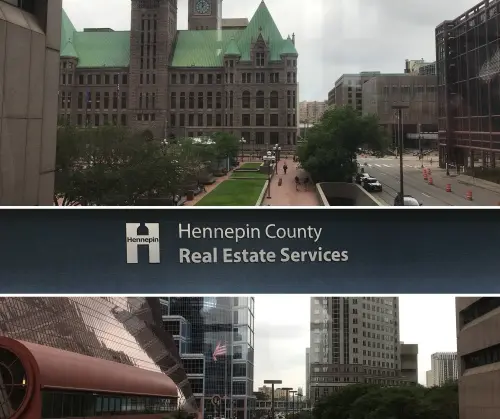
    For whatever reason, not enough people are visiting their local recording office. If this is your first visit and your intent is to file a Transfer on Death Deed in Hennepin County, I recommend getting there before the lunch hour and parking near City Hall.  Otherwise, traffic and waiting may become overwhelming.

    On the other hand, if you decide to visit the facility on your own, do not park in the adjacent east parking lot because the parking fees are ridiculous.

    Otherwise, avoid heading downtown entirely by recording documents online or by mail.  That aside, the team of people who work at the Recorder’s Office are awesome, very helpful, and extremely knowledgeable.

    With that, I hope this short post finds you well.


  • Your Half Sibling Might Inherit More Than You Bargained For

    Your Half Sibling Might Inherit More Than You Bargained For

    A Half sibling in Minnesota can inherit just as much as your full or whole blooded sibling.  Surprising, right?  For some, yes.  For others, like Prince’s half-siblings, not so much.  In Minnesota, we have statute 524.2-107, which says:

    Relatives of the half blood inherit the same share they would inherit if they were of the whole blood.”

    Luckily, you can work around this rule by utilizing a will or trust.  When a person dies without a will or trust, the wild wild west of “intestacy” laws kick-in.

    Half Sibling Gets No Love

    The level of love offered or shared between siblings and relatives makes no difference.  Here in MN, half is as good as whole.  Of course, the rules in other states, like Florida have a different set of rules.

    Really though, where we make our death bed does not matter either.  Instead, its where we have our assets that counts.  For those with assets in Minnesota, treating half-blood relatives as whole blooded takers can have unintended consequences.

    Half Sibling Workarounds

    Like I mentioned above, a purposely planned estate an reduce risk.  Giving away more than we expected or not as much as we hoped is hardly a plan.  

    Instead, I like addressing a half-blooded sibling by incorporating the law and expressing my specific wishes.  I like this approach because it is difficult to predict when or if the law on half relatives will change.

    Even more significant, in the history of Minnesota, the statute on half-blooded siblings has only been addressed twice with half-blooded relatives showing up about very infrequently.  In case you are looking for additional resources for assistance, check out these cases:

    • McDonnall v. Drawz
    • LamFramboise v. Day
    • Boeing v. Owsley
    • Atwater v. Russell

    Unfortunately, these case are so old, the only way to track them down is by visiting Minnesota’s law library.  Nonetheless, they are worth reading.  Nonetheless, an estate plan incorporating a half-sibling calls for exact and specifically expressed intentions.

  • A Mean Obituary Hurts Everybody and Accomplishes Nothing

    A Mean Obituary Hurts Everybody and Accomplishes Nothing

    Did you see the mean obituary floating around on the internet from a Minnesota family?

    Until now, I had not seen anything like it.  At first, I found the obit amusing because it was so unusual.  After 24 hours, I have come to my senses.

    Writing a Mean Obituary is Bad Judgment

    Writing an obituary is hard.  Using an obituary to send an ugly message is bad judgment on many fronts.  Here are a few reasons:

    1. The act of dying is a teaching moment.  Likewise, caring for our dead is a teaching moment too.
    2. Obituary notices are viewed as a legal notices to the general public.  Future generations need a clean slate.
    3. Writing a hurtful obituary breaches the Golden Rule
    4. Wishing another person damnation violates simple Christianity teachings
    5. Bearing a false statement (even in an obit) breaks the 10 Commandments

    Should You Criticise the Drafter?

    Of course writing a mean obituary is an easy trap to fall into.  Usually, these types of notices are written a few days after a person’s death.  Death inspires emotion, good and bad.  Unfortunately, an unclear mind led to bigger problems.

    To prevent this issue, I like the idea of using this example to inspire others to draft their own obituaries.  I get it, it sounds morbid.  But really, it is an opportunty to reflect and set future goals.  If it helps, call it a Legacy Letter.

    Either way, it is a sure way to avoid a mean obituary and reduce stress for our family.

    Elements of a Happy Obituary

    Writing a happy obituary means shooting for a Grimmy Award.  For those wishing to take on this exercise, here are a few tips:

    • Use a youthful picture,
    • Include a name, maiden nam, and nick name,
    • Identify a birthday and date of death,
    • Reference children by their first name,
    • Limit grandchildren to a number.
    • Embed a catch phrase used by the deceased,
    • Express talents and joys,
    • Describe what the deceased gave to others,
    • Include a reference to their military service, and
    • Make reference to a final resting place
  • 10 Really Complicated Informal Probate Steps

    10 Really Complicated Informal Probate Steps

    There are ten (10) informal probate steps in Minnesota.  Some folks need help from an estate attorney, while others do not.

    Nonetheless, lets quickly address a few quick steps to assist with this process.  So you know, everybody asks:  what is the difference between an unsupervised probate versus a supervised informal probate?

    If you had no idea there was a difference, no big deal.  Maybe these steps can help you too.  In my opinion, deciding and selecting the right probate process is a critical first step.   The major difference between both types of an informal probate is liability.  Generally, very few people want to be held liable for debts owed to a creditor.

    Thus, here is part of what I look at when trying to make this decision:

    First 5 informal probate steps

    Both an unsupervised and supervised informal probate starts the same.  The first five (5) steps are:

    1. Filing an application with the right court or venue,
    2. Having an informal meeting with the assigned Registrar (yes, the Registrar will review the application),
    3. Sharing the correct notice of appointment with every interested person,
    4. Fling an affidavit with the court, and
    5. Asking the court to issue letters appointing a personal representative.

    Next 5 informal probate steps: Unsupervised

    The next five (5) steps for an unsupervised process are:

    1. Asset collection,
    2. Inventory preparation,
    3. Settling claims with creditors,
    4. Tax returns, and
    5. Estate distribution.

    Next 5 informal probate steps: Supervised

    The next five (5) steps for an supervised process are:

    1. Asset collection,
    2. Inventory preparation,
    3. Settling claims with creditors,
    4. Tax returns, and
    5. Seeking a court order.

    What is the difference?

    Again, the major difference between both types of an informal probate is liability.  Generally, very few people want to be held liable for debts owed to a creditor.

    Yes, reducing liability owed to a creditor, taking the right steps to account for the assets of another person and distributing their assets accordingly to the rules of their will or a court is a responsibility imposed by law.

    Finally, consider reviewing these rules and laws to help your decision making process.

  • 8 Ways to Make an Estate Gift to Your Church

    8 Ways to Make an Estate Gift to Your Church

    Patrons wishing to make a gift to their church are running into problems when they try to incorporate wishes into an estate plan.  Luckily, there are some strong alternatives.

    Legal Forms to Help Gift to a Church

    Generally, an estate plan can utilize eight (8) different ways to make a gift to your Church.  Unfortunately, each method or form can bring with it a different set of problems.

    8.  Prayer,
    7.  Your time,
    6.  Cash gift before death,
    5.  Transfer on death deed,
    4.  Beneficiary forms,
    3.  Irrevocable trust,
    2.  Revocable trust, and
    1. Will

    Estate Gifts versus Tithe or Tithing

    I hope this doesn’t happen to your family, but entering an ICU or long term nursing care facility can really drain one’s assets.  In my experience, identifying a specific cash donation within a will or trust is a poor plan.  For one, nobody really knows how much we will have when we die.

    Instead of adding an exclusive cash gift, I like the idea of designating a strict percentage.  For example, I bequest five percent (5%)….to ___________.  For some, the idea percentage is a set percentage called tithing.

    Again, if we are lucky to die with assets, then contributing a specific percentage is easier to manage and is less likely to make life difficult for a Personal Representative.

    Best and Worst Way to Gift to a Church

    There isn’t a best way to make a gift to a church.  If folks are able, then great.  If they cannot, then that is okay too.

    That said, there are a few methods of gift giving that I discourage.

    The first method I discourage folks from making is the process of gifting their home.  Quite frankly, very few churches want to manage real estate.

    Personally, I like the idea of granting a Trustee an opportunity to sell a residence on behalf of a person and using the proceeds as desired.  In other words, making it easy on a Church to accept a cash gift versus a home.

    The second method I discharge folks from making is the process of making a church or a pastor an executor.  Again, most folks would agree that a church is by our side for spiritual guidance versus the estate transfer process.

    Thus, if gifting to a church is what a person desires, make the process easier by using a trust or will.

    If you need help with this process, please contact me.

  • My Corporate Trustee Increased Their Fees

    My Corporate Trustee Increased Their Fees

    When I meet with families for the first time, identifying a corporate trustee within a revocable trust is always an unusual conversation.

    Before describing why, lets quickly outline what it means to identify a third-party trustee that is unrelated to you and your family.

    A corporate trustee is a business or entity (like a bank or wealth management company) that agrees to manage and administer a trust.  As you might suspect, this agreement is based on paying a service fee.  Generally, this is where people back away.

    Really though, I like the idea of engaging an entity as a back-up to the back-up for one reason:  just in case we all die.  Here is what I mean.

    Corporate Trustee:  Everybody Dies

    Like you, I do not like to think about my death.  Taking this nightmare to the next level, I do not like the idea of thinking about dyeing in a car accident with my closest family matters (minus the one grandchild  or child hanging out with a babysitter).   Far fetched, but possible.

    Anyways, I love the idea of making sure my trust has the power to implement Minnesota statute 501C.074, versus making a trustee or guardian seek authorization from a court to fill a trustee vacancy.  I like this idea because I want my assets distributed amongst my beneficiaries versus court fees.  Also, I cannot predict the far fetched future (North Korea?).

    Even better than adding the Fancy in Trusteeship or Successor Appointment rule is helping out by selecting an entity to act as my corporate trustee.

    Thus, updating a revocable trust to account for vacancies makes sense.

    Corporate Trustee:  Running from Fees

    Of course, the one reason people balk at the idea of selecting a corporate trustee (even as a back-up to the back-up) is the fear of paying corporate fees.  Certainly, I agree.  If ATM fees make you go crazy, corporate trustee fees might make you sick.

    On the other hand, family dynamics can be the deciding factor.  Some realize their family is not sophisticated enough to manage a trust, while others are fearful of family members arguing over silly things.

    The intentions of the settlor (the person who made the trust and identified a third party to manage it) is what matters most.  In my experience, having a person with specialized knowledge to administer a trust can be a breath of fresh air.

    Corporate Trustee:  One of My Favorite Approaches

    The value of thinking through the issue of selecting a corporate trustee is sometimes overwhelming.  Although not for everybody, one of my favorite approaches is selecting a personal friend or family member as my trustee and making a corporate trustee their partner.  In other words, both serving as co-trustees.

    Personally, I think this accomplishes a handful of goals:

    • Reduces fiduciary stress,
    • My trustee can lean on an entity I pre-selected,
    • And, if my trustee gets sick or is no longer able to help, they have a back-up too.

    Final Thoughts

    Just to be clear, a person wishing to create a revocable trust is not required to select or identify a corporate trustee.  Instead, I only bring to your attention because it is a nice alternative for people concerned about selecting a trustee or not knowing enough trustworthy people to manage their affairs.

  • IRA Rollover Into a Trust Can Be a Huge Mistake

    IRA Rollover Into a Trust Can Be a Huge Mistake

    The rules for an IRA rollover change on an annual basis.  Because an IRA cannot be owned by a trust outright, this post is about identifying a spouse as a beneficiary of an IRA and thinking through who or what should be the contingent beneficiary.

    IRA Rollover:  Why Do We Care?

    It is very simple.  We care because we want to reduce taxes.  When our spouse dies, we have 60 days to roll the account over and reduce a tax penalty.

    IRA Rollover Intentions

    Assuming neither spouse has died, making choices to help reduce tax problems is a luxury.  If a rollover is intended, I like the idea of identifying a spouse as a primary beneficiary.

    I like this process for a few reasons.  First, it grants my spouse an opportunity to complete a rollover of an IRA.  Second, I want my spouse to utilize distribution options that favors prosperity.

    Would you believe people identify their trust as the primary beneficiary of an IRA?  Unfortunately, this is a huge mistake.

    IRA Rollover into a Trust

    The bad part about making a trust the primary beneficiary of an IRA is the fact doing so might accelerate withdrawal requirements.

    Without including specific language within a trust like a “pas through” clause, dumping our assets into a revocable trust might create an even bigger tax burden.  For this reason, I believe mapping out a distribution flow plan can help us and our loved ones from accidentally subjecting themselves to a 10% withholding penalty.

    Handling An IRA Rollover

    Ultimately, I believe there are three things to consider when discussing our estate with our spouse.

    • What happens if I die first,
    • What happens if we die at the same time, and
    • How can we preserve or reduce a tax burden for our children and grandchildren?

    My IRA Rollover Process

    When I meet with folks about these types of issues, the first thing I look for is obtaining written copies of the beneficiary designations for all retirement accounts.  Often, people do not remember who is named on their accounts or whether they selected a back-up.

    Additionally, I believe this process requires engaging a CPA or Certified Public Accountant.

    Thus, before you start naming a trust as the primary beneficiary of an IRA Rollover, please contact this law office.

  • Prevent Cyberattacks on Estate Plans By Doing 1 Thing

    Prevent Cyberattacks on Estate Plans By Doing 1 Thing

    Today’s news of a cyberattack on the banking system in Ukraine is a horrible reminder how vulnerable we really are.

    On the other hand, none of my Clients leave my office without understanding whether they should store their estate planning documents in the cloud.

    In my opinion, storing some or part of an estate plan in the Cloud can prevent problems down the road.  Provided hardcopies are not compromised by changes or edits, nothing beats a cyberattack like having hardcopies

    If you need help or advisement how to store, preserve and keep such things, please contact me for help.

  • Can my Ex Spouse Really Inherit my Stuff?

    Can my Ex Spouse Really Inherit my Stuff?

    Can an ex spouse inherit property from their former spouse after a divorce?  In Minnesota, absolutely yes.

    Although there are laws like the Ex Souse as a Beneficiary Rule, I believe it is critical to update every estate plan after a divorce.

    What is the Ex Spouse Beneficiary Rule?

    Minnesota has two important laws that help revoke an ex spouse from a will and trust.  The rules are:

    On the other hand, I believe failing to update an estate plan puts intended beneficiaries (like children, siblings or a future spouse) at risk of not recovering your assets.

    For one, there was a recent case reviewed by our US Supreme Court that says certain types of assets do not fall under the revocation laws referenced above.  Keep in mind, this issue was reviewed by the highest court in the land.

    Second, why take a chance?

    Minnesota’s Laws on an Ex Souse Inheritance

    I apologize for adding fuel to the fire, but Minnesota’s court system has produced two opposite opinions on this issue.  Can you imagine an ex spouse taking an inheritance issue to court because they stand to inherit something substantial?

    None the less, two cases come to mind:

    Even if you never read these cases, please notice this:  each case involves a financial institution.  In other words, even if we think our ex-sposue will never encourage a problem with an inheritance, we cannot rule out our banks and insurance carriers.

    In simple terms, making changes to update a will, trust, 401K, etc. is worth the effort to reduce conflict.

    Will my Ex Spouse Inherit from my Will?

    Right now, there is a strong law in Minnesota that revokes an ex spouse.

    On the other hand, I am worried about bigger assets like retirement accounts, insurance policies and real estate.

    If you need help with this issue, please contact me directly.  Otherwise, I hope you found value in the links shared above.

  • Help, I Lost my Will

    Help, I Lost my Will

    Every once in a while, somebody will tell me “I lost my will”.  The next question I often get is “what should I do”?

    Well, I think the answer is obvious.  Look in the last place it was placed.  Unfortunately, when we cannot remember, others might start to question our sound mind.

    As a result, I believe time is of the essence and drafting a new will is a necessity (ASAP).

    Lost Will and Its Impact on a New Will

    Generally, the impact of a lost will on a new will is negligible when testators add a revocation clause to their new will.  In other words, a clause that revokes any and all previously formulated wills.

    Assuming the revocation clause is drafted properly, problems can be significantly reduced.

    Have you Seen my Lost Will?

    With the exception of asking the person who drafted it, asking others about the location of a lost will might create more problems.  First, it puts others on alert for diminished capacity.  Second, the threat of a lost will doesn’t negate or prevent the formation of a new will.

    Thus, I hope you find your lost will.  On the other hand, don’t put off the opportunity to enter into a new will, when we still have time!

  • Who Profits the Most when You to Die Without a Plan?

    Who Profits the Most when You to Die Without a Plan?

    Take a guess who profits the most when you die without a plan.  Yes, failing to make a plan might actually generate more revenue for attorneys and your family.

    So yes, die without a plan makes life better for everybody except  your family.

    On the other hand, I believe making choices today can be the saving grace for a happy family.” 

    Here are a few ways you help your family:

    • Giving them permission to transfer your stuff before entering a nursing home,
    • Picking a back-up guardian for your child,
    • Helping them determine whether you should be buried or cremated,
    • Picking a quarterback to facilitate your estate,
    • Picking a back-up quarterback to handle your estate,
    • Helping your family identify heirlooms (like wedding rings),
    • Identifying a home for your pets, and
    • Everything else.

    Of course, if your family member didn’t have a plan, Minnesota protects families from unreasonable probate costs.

    Die Without a Plan

    In case it isn’t obvious, no, I do not want you to die without a plan.  In fact, I think we can offer tremendous value to our families (small and large) when we give them help.

    Thus, please share this with others if you agree.

  • Minnesota’s Confusing Trustee Laws

    Minnesota’s Confusing Trustee Laws

    So, your Trustee is dead?  First, I sympathize with you and your family.  Second, lets assume the trust was valid.

    Generally, these are the next couple of steps:

    Trustee is Dead:  Do this while Alive

    If at all possible, I believe every trustee should have a backup plan.  In other words, have a conversation with the back-up trustee or successor trustee.

    During this conversation, make sure they are willing and able to step into the role when called upon.  If at all possible, keep accurate notes to help the back-up trustee step into your shoes.

    Trustee is Dead and I am the Backup

    For those stepping up because the trustee before them has since died, I think engaging professional advisement is always prudent.  After all, being a trustee is a lot of work.  And, having advisors like a financial planner, accountant and attorney can reduce problems.

    Trustee is Dead and I do Not Know What to Do

    Not knowing how to proceed is a common fear.  In my experience, the most surprising part is how much time the position of trustee can require.  Whether this means running mom to the doctor, paying her bills, keeping the house up or making sure her taxes are filed, it is an administrative task like none other.

    On the other hand, it is a lot easier than running to and from a probate court.  For this reason, a trustee that is no longer able to render services is a good problem to have.

    Am I Liable when my Trustee is Dead

    Here is the number one reason to jump on the transition process for a trustee:  liability.  Yes, trustees can become liable for errors and tardiness.

    Thus, the transition process should be engaged immediately.

  • Fist Fights over Cranky Creditor Probate Claims

    Fist Fights over Cranky Creditor Probate Claims

    Creditor Probate Claims are likely one of the biggest stresses a family will encounter.  Luckily, our Minnesota laws have tried to sort through the mess by helping us rank or prioritize creditor claims.

    Without question, the grieving process is painful on its own.  If part of your stress is trying to sort through Creditor Probate Claims, use the law to your family’s advantage.

    Imagine if…

    If you put every creditor in a room and asked them who wanted a dollar from your loved one’s estate, who would jump first?  Yes, if you allowed every creditor to line-up and argue why they should get paid, Creditor Probate Claims would turn into fist fights.

    Because Minnesota probate law 524.3-805 ranks which creditor will get paid first and which creditor will get paid last, fist fights are less likely.

    Creditor Probate Claims – 1st Priority

    Whom ever was responsible for writing Minnesota statute 524.3-805, they identified court fees, court costs, accountants, and attorney’s as the group of entities having the first priority over every creditor.  Yes, this is true even if a creditor has a lien.

    2nd Priority of Creditor Probate Claims

    Would you believe the average cost of a funeral in more than $7,000?  The second group of creditors having more rights than other creditors goes to funeral expenses.

    Likely, our legislators made it this way to encourage funeral homes to help lay to rest those who are insolvent or in need.

    The IRS wants their cut too

    The third ranking creditor is the IRS.  If you are connecting the dots, the government has purposely identified those with a 1st priority of creditor probate claims so there is an incentive to assure our federal income taxes are properly paid.

    I am sure those in power would encourage a better solution.  As it stands now, this is our system.

    Medical Bills

    Generally, medical bills are closely related to a person who has recently passed.  Creditor probate claims for medical bills are 4th and 5th place with a distinction being medical bills for the care of the decedent during the year immediately preceding death.

    Minnesota is in 6th Place

    Yes, the sixth ranking creditor is Minnesota.  In other words, any tax owed to Minnesota’s Department of Revenue is deemed less important than the expenses listed above.

    Creditor Probate Claims for everybody else

    Everybody else is left to 7th place.  Of course this is where lien prioritization and secured transactions become relevant.  However, lien prioritization is a topic for a different post.

    Again, if you or your family needs help with creditor probate claims, please contact this law office for help.

  • Are you sure You Picked the Right Personal Representative?

    Are you sure You Picked the Right Personal Representative?

    What does a Personal Representative in Minnesota do?

    Well, I am glad you asked.  A Personal Representative in Minnesota has many jobs.  Whether a person seeks their position through the court process or they were selected within a Will, every PR is responsible for the rules.

    If you were not selected as the Personal Representative, do not be disappointed.  Maybe just maybe you get appointed down the road.

    Regardless of your role, offering support to the deceased person’s family and friends is critical.

    Personal Representative in Minnesota:  When?

    A Personal Representative in Minnesota can only serve after somebody dies.  A personal rep or executor isn’t technically responsible for anything until the death of their loved one.

    On the other hand, a person serving as a trustee or attorney-in-fact might have responsibilities outside the scope of a PR.

    Duties of a Personal Representative

    Under Minnesota rule 524.3-703, you will find an outline of duties and responsibilities imposed on a Personal Representative in Minnesota.

    The first and the most important duty of a Personal Representative is a fiduciary duty.  This means the Personal Representative in Minnesota is observing the standards of care in dealing with the estate assets.

    Also, the Personal Representative in Minnesota has the duty to settle and distribute the estate of the loved one in accordance of the terms of a Will submitted for probate.

    In other words, actions taken by a Personal Representative is governed by an applicable law, the terms of the Will, and any order granted by a Probate Court.

    I Don’t Want to be a Personal Representative

    Yes, Minnesota law recognizes a Personal Representative may not want the above referenced duties and responsibilities and or the PR  may feel like they do not have specific knowledge in order to serve in this capacity.

    Do not despair.  The goal of an executor or PR is to facilitate an estate.  Likewise, Minnesota law says a Personal Representative shall not be surcharged for acts of administration or distribution if the conduct in question was authorized at the time.

    Protection for a Personal Representative

    Lets keep this simple.  An executor’s job is to divide up stuff and distribute it accordingly.  Generally, a Personal Representative in Minnesota is protected from any surcharged acts of administration or distribution provided the acts were authorized at the time they occurred.

    What should an Executor Do First?

    If the PR is slow to the mix, then a creditor might jump in first.  Thus, an executor either has to educate themselves on the probate process and acquire support.

  • First 2 Steps for an Informal Probate Minnesota

    First 2 Steps for an Informal Probate Minnesota

    The informal probate Minnesota process is different in every County.  Even though this topic can take a lot of twists and turns, do not despair.

    First step to the informal probate Minnesota process

    Every informal probate Minnesota process should start by identifying a point person.  The point person, also called a personal representative, is the person in charge of forms, notices, filings, administration, etc.

    Yes, as long as the person is 18 years of age or older, the point person can be a spouse, child, parent, friend, sibling, or any person willing to accept the job.

    Do you need a Will to complete the informal probate Minnesota process?

    No, a will does not exclude you from seeking the informal probate Minnesota process.

    On the other hand, if your loved one had a will, the informal probate process in Hennepin County should be much easier because the first step of seeking a point person will likely be satisfied.

    What if nobody is willing to volunteer?

    Keep this in mind, a creditor or any person claiming to have an interest can ask to be the point person or personal representative.

    As a result, do your very best to pick a person to assist in this process. 

    Second step in the informal probate Minnesota process

    The second step in seeking the informal probate Minnesota process is registering for e-filing.  What?

    Yes, the point person (if they handle this process without help from a lawyer) should consider registering for the e-filing process.  Unfortunately, the e-filing process in Hennepin County is mandatory

    Where to find forms for the informal probate Minnesota process

    If you are looking for forms to help you with the informal probate Minnesota process, consider these three resources:

    1.  Minnesota’s law library,
    2. Minnesota’s Court Forms website, or
    3. You can buy forms from Miller Davis Company.

    What information is needed for an informal probate Minnesota proceeding?

    Every application seeking approval for the informal probate Minnesota process needs the following information, which is outlined in Minnesota rule 524.3-301:

    • An outline why you have an interest,
    • Name, birth-date, and records for the person who died,
    • If the person who died had a spouse or children, the application will require their contact information,
    • A statement on why the County you selected is appropriate,
    • Information concerning creditors (if known).

    Who approves or denies an application for informal probate in Minnesota?

    An application for an informal probate proceeding is accepted or approved by the County’s registrar.

    If approved, the personal representative or point person can proceed with other duties and responsibilities associated with an informal probate process.

    Final thoughts

    Again, if you need help with this process, contact this law office for help.

  • Due On Sale Clause can Trigger Balloon Payments

    Due On Sale Clause can Trigger Balloon Payments

    Does a due on sale clause within a mortgage in Minnesota impact an estate plan?

    Individuals and families wishing to fund a trust or use a transfer on death deed can reduce their risk of accelerating balloon payments by reviewing their mortgage and lending documents.

    Unfortunately, every mortgage is different because mortgages are created by hundreds and thousands of financial companies. Nonetheless, here is a brief outline of the issues to consider.

    What is a due on sale clause?

    First, what the heck is a due on sale or acceleration clause?  To keep it simple, this type of clause is a condition found within a mortgage or contract for deed. In general, the clause requires full payment of a mortgage upon the occurrence of certain events.

    Also, the National Housing Act helps define balloon payments as they apply to a mortgage under rule 1701j.3. As you can see, this law gives mortgage companies and lenders certain opportunities to seek money from a buyer if any or part of their property is sold or transferred without the lender’s written consent.

    Whether you feel protected from local homestead rules or not, you can plan for your largest asset. The hard part is finding it or confirming a mortgage does not have a due on sale clause.  Sometimes, a mortgage document will use big bold headings to help.

    Where will you find the acceleration clause?

    When in doubt, I always read the mortgage.  If you misplaced your mortgage, you coud:

    1.  Visit the recorder’s office and ask for a copy of the recorded document; or
    2. Ask the lending company for a courtesy copy.

    Minnesota definition of a due on sale clause

    Minnesota has a chapter of statutes devoted to mortgages.  If you are looking for help falling to sleep, look at Chapter 47.  The rules specifically apply to financial corporations.

    On the other hand, Minnesota statute ‌47.20 speaks to the lending authority of a bank.  As a starter, most case law in Minnesota devoted to the discussion of a due on sale clause in a mortgage utilize subdivision 6 and 6a.

    Exceptions to a due on sale clause

    Every situation is different and unique.  Assuming a piece of real estate is a person’s primary residence and they do not live in a housing complex, there are likely many exceptions to the acceleration of a balloon payment. Specifically, these exceptions can be found under the National Housing Act.

    Other significant cases

    Unfortunately, lenders and homeowners sometimes disagree on the terms of a due on sale clause. Here are a handful of notable cases to consider, as we try to define what will happen or not happen with a due on sale clause:   Viereck v. Peoples Sav. & Loan Ass’n, 343 N.W.2d 30 (Minn. 1984),  Akopyan v. Wells Fargo Home Mortgage, Inc., Cal.App. 2 Dist., April 4, 2013, and a United States Supreme Court case called Cuomo v. Clearing House Ass’n, L.L.C., 129 S.Ct. 2710.  

    Therefore, before you fund a trust or transfer a piece of property using a transfer on death deed (TODD), make sure you know what, how and why.

  • 8 Ways to Avoid Probate in Minnesota

    8 Ways to Avoid Probate in Minnesota

    Yes, you can avoid probate in Minnesota.  On the other hand, you can encourage probate too.  Being dead does not remove you from probate hell.  Instead, it only makes it worse.

    Luckily, I believe you and I can help our families avoid the probate process for our estate by doing three simple things:

    • Create a revocable trust,
    • Update beneficiary forms, and
    • Communicate with family.

    Avoid Probate in MN by Chance

    Yes, you can find books at the library that help describe multiple ways to avoid probate.  One option often described is the process of adding a beneficiary or Pay on Death (POD) to a checking account.

    If this process makes you feel better, then fantastic.  Unfortunately, people often add their spouse or children.  This is unfortunate because if our loved one dies or becomes incapacitated in the same car accident, our loved ones are likely forced into probate.

    Thus, trying to avoid probate by selecting a loved one by chance does not really avoid probate.

    Avoid Probate in Minnesota by being Rich

    I cannot tell you how many times I am required to explain why a revocable trust is not exclusive to rich people.  If you are rich, I mean no disrespect.  If you are anything less than rich, please consider using a trust to help with:

    • Naming a long line of beneficiaries (just in case somebody dies while you least expected it),
    • Using your trust to identify a guardian for your children,
    • Giving your family valuable information like:
      • The code to your car door,
      • How to access your Facebook.com account,
      • The code to your cell phone,
      • Permission to enter your apartment, condo, or home, or
      • Anything else that might be useful while you proceed to the pearly gates.

    Please note, I am not trying to be funny or cute when describing value ways to avoid probate in Minnesota.  If you care about any person other than yourself, then helping your family and friends avoid the thousands and thousands of dollars generally required during the probate process is worth your time.

    Avoid Probate in Minnesota

    Here are some other fancy (or easy) ways to avoid probate:

    • Using a Transfer on Death Deed, and
    • Always naming more than one beneficiary.

    If you conduct enough research online, you might see people suggesting a beneficiary for your car or owning property via joint tenancy.  If you contact me directly, I will share more about why this is not necessarily the best strategy either.

    Final Thoughts about Avoiding Probate

    Anybody who tells you that you can avoid probate 100% is dead wrong.  Instead, the goal is to reduce the risk of probate and discouraging our pain in the butt family members (or creditors) from challenging our estates.

  • I Caught Minnesota Per Stirpes

    I Caught Minnesota Per Stirpes

    Minnesota per stirpes is not a disease.  Instead, it is a rule many people use in an estate plan to divide their stuff amongst children and grandchildren or maybe even nephews and nieces.

    In simple terms, this type of plan means we receive the inheritance from the person directly above us, had that person lived.

    Usually, the person directly above us is our parent or grandparent.  In practice, this can be confusing for estates and loved ones to grasp.  Especially if a family has experienced a divorce.

    Thus, I will  use the following chart to illustrate this process:

    Per Stirpes law in Minnesota

    Yes, a person can use many laws and documents to divide their property into an inheritance for specific people.  A process called “per stirpes” is one of many options a living person can use to divide their stuff.

    If you are in a rush, Minnesota’s per stirpes inheritance statute can be found here: 524.2-709.

    For those willing to stick it out, please allow me an opportunity to simply this Minnesota probate law and I encourage you to scroll up time-to-time and review the above graph.

    When is MN Per Stirpes Easy to Understand?

    If a person dies and they only have one child, this rule is easy.

    Likewise, if a person dies before all of their adult children die, the per stripes rule in MN is easy too.

    Unfortunately, easy is hardy the norm and I help people think through their estate in case something other than easy unfolds.

    Minnesota Per Stirpes: Assumption

    For this rule to make sense, lets assume:

    • You are dead,
    • Your spouse is dead,
    • And, you had three children,
    • Two of your children died before you,
    • And, you were blessed with many grandchildren.

    I agree, this is drastic, but not impossible.  If a person wants to understand or change their estate plan in Minnesota, simulating the inevitable is necessary.

    Minnesota Per Stirpes: My Share

    Next, I encourage people to look at their stuff in terms of a percentage.  For example, all of my personal and tangible property (“stuff”) including bank accounts, house, furniture, cars, lawnmowers, computers, and a tea collection.

    In total, I have stuff equalling 100%.  When a person receives my property in the form of an inheritance, they are getting a “share” of my stuff

    Minnesota Per Stirpes: Divide my Stuff

    Here is what people do not like about per stirpes: grandchildren can receive unequal shares while being equally related.

    Personally, I believe this approach is perfectly acceptable if our goal is to treat our children equally.  Again though, this approach is not for everybody.

    Now, if I had three children and they outlived me, the per stirpes rule in Minnesota says they all get 33% of my stuff.  If you live to the age of 90 and you take into consideration a person’s life expectancy, this scenario is unlikely.

    On the other hand, if two of my children die before me, their third (1/3 or 33% each) would get divided amongst their children (my grandchildren).  If my child does not have any children, then their 33.3% is redistributed amongst my living children.

    The Per Stirpes Example Above

    In my example above, my youngest child would get 33% of my stuff because they are alive.

    Because My oldest child and middle child are dead, their 33% share gets divided amongst their children (my grandchildren).

    This means the grandchildren of my oldest child would divide 33% of my stuff equally (or each would get half of 33%).  Because I love fractions, this equals approximately 16% or 1/6 for both of my G-O’s.

    Confused by MN Per Stirpes

    I know per stirpes is confusing if you do not work with inheritances on a regular basis.  If it helps, consider this.

    G-M would get 1/3 or 33% of my stuff while both G-O’s would get a lesser amount of 1/6 or 16% of my stuff.

    Again, some people like this idea while others do not.  What do you think?

    Minnesota Per Stirpes: Final Answer

    The final answer to the problem described above will not be the same for everybody.  For this reason, it is important to work through every conceivable possibility.

    For those who stuck with me, our Minnesota per stirpes law would conclude the following outcome for the situation described above:

    • Both of my G-O’s would get 16% of my stuff,
    • G-M would get 33% of my stuff, and
    • G-Y’s would get nothing because my Youngest Child would receive 33% of my stuff.
  • Over My Dead Body: Pay Back Your Inheritance

    Over My Dead Body: Pay Back Your Inheritance

    What if you had to pay back your inheritance?  Sounds crazy, right?  Well, not so fast.

    Recently, I came across a personal representative who completed an informal probate process on their own through the probate process in Hennepin County.  The person that died was their parent.

    During the this process, no will was found and the probate court divided the estate into three parts:  50% to the personal representative, 25% to a niece and 25% to a nephew.

    Unfortunately, a will was found AFTER the estate was closed.  Even worse, the will stated the personal representative (the parent’s child) should receive 100% of the estate, which was different than what had been previously provided.  Now what?

    Luckily, there are rules and laws in place to help facilitate this problem.

    Laws to pay back your inheritance

    In Minnesota, rule 524.3-1006 limits an ability to force or make another person pay back your inheritance if it has been more than one year after the estate was distributed or three years after the decedent’s death, which ever is “later”.

    This means Minnesota probate laws support not returning an inheritance if it was incorrectly paid only if the time periods have expired.

    Pay back your inheritance – exceptions

    On the other hand, a beneficiary might be compelled to pay back your inheritance for the following reasons:

    • You are within the three year time limit, or
    • A beneficiary engaged in fraud.

    Balance the value of your inheritance

    Another element I believe is very significant is the balance of relationships.  In other words, should the personal representative re-open the estate to “take” more money?

    In the above example, the personal representative was excited about finding their parent’s will because it meant their inheritance should have been $5,000 more.  Is an extra $5,000 worth engaging a lawyer, re-opening a probate case and using procedure to make beneficiaries pay back your inheritance worth it?

    Would your answer change if the gift increased to $10,000 or $50,000?

    Yes, these are difficult questions to answer and the dynamic of your family is a critical piece to consider.  In my opinion, there are multiple factors to consider, which makes every probate different.

    Do you need to pay back your inheritance?

    Please contact this law office if you need help with determining if you should pay back your inheritance.

  • Ten Years After He Died, A Trust Breach Occurred

    Ten Years After He Died, A Trust Breach Occurred

    Trust breach happens when your children decide to argue over semantics.  Would you rollover, in your grave, if your children sued one another ten (10) years later?

    Well, this actually happened in a case called In re: The Frank John Rodriguez Sr. Trust.  As unfortunate as it is when trustees are sued by beneficiaries, we can learn a lot from this public case.

    Really, I believe the punchline for the Rodriguez family comes down to cordial communications and unconditional love between siblings.  Unfortunately, it doesn’t appear either of these attributes existed.

    First lesson in preventing a trust breach

    In my experience, most if not all trustees are trying to do the right thing.  Sometimes this works out perfectly.  Other times, sibling rivalry kicks in and every decision gets scrutinized.

    Money is not the issue.  Instead, family dynamics is the controlling factor.  Not every family is equipped or able to handle a trust for an estate.  I have seen many examples where a parent’s estate should have been divided in equal shares.  Yes, you have a choice.

    What I am really trying to say is this:  you know your family better than me and I encourage every person to reflect and predict the behavior of their family members.  For example, ask yourself:

    • What might go wrong?
    • Do my children or their spouses disagree a lot?
    • Are they mentally strong enough to make black and white decisions?
    • Is there a good reason why equality of an inheritance is a bad idea?

    Second lesson in preventing a trust breach

    The second lesson we can learn from the case above is the following rule:  a trustee must manage trust assets as a prudent investor, considering the purposes, terms, distribution requirements, and other circumstances of the trust.

    Yes, every person wishing to form a revocable trust should select their trustees wisely.  More importantly, a trust document should help the trustee.  Even from your grave, you can impact your family by helping them:

    • Identify trustworthy professionals or entities for assistance,
    • Allowing for a corporate trustee, and or
    • Leaving room for an error of judgement.

    Third lesson in preventing a trust breach

    The third lesson we can take from this case is the fact we as people can prevent or reduce the likelihood of a trust breach by engaging in open communications.

    Communication needs to extend beyond text messaging and Facebook postings.  I am talking about sitting down for an hour or two and working through details.  Those who need help can:

    • Retain an agent like an attorney,
    • Use mediators, and or
    • Choose a public setting to reduce tension.

    Getting back to the case above, Brother is upset with Sister.  If you have a sibling, perhaps you have experienced this too.  What makes this case unique is the issues being argued.  Here, Brother believed he received an offer from another person wishing to buy their dad’s property at twice the value.

    In my experience, an offer to purchase property works through a real estate agent and or the usage of a purchase agreement.  This case doesn’t appear to have either.

    Also, the Court does not explain why a firm offer failed to exist.  Even more significantly, my gut says Brother wanted conflict more than the sale of his dad’s house.  Additionally, contract law fails miserably and works against Brother.

    Fourth lesson in preventing a trust breach

    Certainly, we could find more, but the final lesson I believe goes without saying when working through a Minnesota trust breach is:  attend scheduled court hearings.

    Yes, Brother missed a court hearing.  When a person misses a court hearing, their goals sometimes turns into asking a court to start over.  Yes, a trust breach can start over under rule 60.02  upon asking a court to review:

    1. A mistake,
    2. Inadvertence,
    3. Surprise,
    4. Excusable neglect, or
    5. Any other reason justifying relief.

    Prevent trust breach in Minnesota

    I believe the best step is having a formal discussion to address issues and prevent trust breach.

    Please contact me if you want additional information.

  • What If Your Trustee Dies?

    What If Your Trustee Dies?

    What if your trustee dies?  Between you and me, I would much rather be in the position of worrying about a trustee dying versus your death.  Thus, perhaps working through the situation where the trustee dies is not as bad as it might first appear.

    If a trustee died and you need help, please contact this law office.

    If a trustee dies, who is the trustee?

    The first issue is determining who is the active trustee.  A trustee is similar to a personal representative discussed in previous postings.

    Generally, a person who is still alive and owner of a revocable trust is their own trustee.  In this situation, if a trustee dies, it is typically worrisome only if the trustee was your primary backup trustee.

    On the other hand, if the primary trustee dies, a properly drafted trust document will contain a list of backup trustees.

    Who can serve as a backup trustee?

    The backup trustee will typically be identified in the trust document.

    A backup trustee can be:

    • Spouse
    • A child 18 years of age or older
    • A family member,
    • Friend
    • Certified Public Accountant
    • Attorney
    • Investment Advisor
    • Private Trust Company
    • Bank with trust powers
    • Or, a combination of the persons identified above.

    What if your backup trustee dies?

    If the backup trustee dies, then hopefully the trust document provides a list of successor trustees.  This means the trust document outlines a backup to the backup.

    Yes, an option for people to assure security in their trustee selection is to attach conditions or resources to the assigned person.  For example, making it a requirement or duty that your trustee seek affirmation from a CPA or investment adviser.

    Another option is granting or assigning your bank or a trust company to manage your trust on your behalf.

    If my trustee dies, how many backups can you have?

    In Minnesota and to protect against a situation where a trustee dies, Clients at this law office are encouraged to identify as strong list of backup trustees.

    For Clients who do not have any living family members or do not like or trust their family members, one can choose a third party for support.  For example, it is very common for people to seek and identify a trustee like their CPA or a private company.

    On the other hand, if your trust document does not identify a backup or everybody on your list is no longer living, your beneficiaries are stuck seeking a Court for help.

    Help when a trustee dies

    If you need help amending a revocable trust to account for the death of a trustee or any related estate planning document, please contact this law office for help.

  • Did your Witness for a Will Get Drunk or Hostile?

    Did your Witness for a Will Get Drunk or Hostile?

    You do not want the witness for a will to get drunk or hostile.  I believe every person trying to formulate their will should have nice and friendly people as their witnesses.  Because Minnesota law agrees, this is how I approach a witness for a will.

    Who can be a witness for a will?

    In Minnesota, rule 524.2505 tells us any competent person, including your loved ones, can be a witness.  Here is what I look for:

    • A person who is older than 18 years of age,
    • A person who is not an anticipated heir,
    • A person with a sound mind, and
    • A person who is can agree to be at a specific place on a specific time.

    How do you know if a witness for a will is 18 years of age or older?

    This part of the problem is very easy.  You look at their driver’s license.

    Also, this is important too because I like including the witnesses city or town of residence to their signature block as a witness.

    How do you avoid an anticipated heir?

    Without asking, it is difficult to know whether the folks I depend on as a witness are heirs of my Clients.  However, the day I have a Client tell a witness “hi so-and-so, it is great to see you”, that will likely lead to additional question and or the use of a different witness.

    The best way to begin the process of understanding who is or is not an heir, consider this resource from our Attorney General.

    How do you know if a witness for a will has a sound mind?

    In my experience, this is hardly an issue except when Clients ask whether their elderly parent or jittery adult child can serve as a witness for a will.

    Unless you acquire a medical examination, very likely neither one of us will know if a witness has a sound mind.  However, here are a bunch of facts I look for:

    • Slurred speech,
    • Do they have a difficult time finding their license,
    • Can they write their name without asking how,
    • Do they look you in the eye,
    • Are they in good spirits, and
    • Do they give off a sharp or sound impression?

    Do you really need a witness for a will?

    Yes, in Minnesota you absolutely need a witness for a will.  In fact, you need at least two people.

    Yes, if you believe one of your family members will be a pain in the butt once you move into Heaven, there have been times when I encourage Clients to use or seek three (3) witnesses.

    Need more help?

    I recognize I am taking a somewhat lightheartedness towards witness selection.  On the other hand, family members fight over witnesses selection all the time.

    Thus, please contact me such that we can have a deeper discussion on your family dynamic.

  • My Mom Buried Wedding Rings in her Grave

    My Mom Buried Wedding Rings in her Grave

    Buried wedding rings can be problematic when your decision is left with loved ones.

    I believe every person can use their will or estate plan to prevent family stress and anxiety.

    Below is a brief process outlining how to find a resolution to the buried wedding rings dilemma.

    Estate Planning for your buried wedding rings

    If a person wants their wedding ring buried in their casket or placed inside a tomb, these wishes should be specifically described.  Generally, I prefer a funeral directive along with a Will or Trust.

    In my experience, a funeral directive, which is a document outlining specifics for your funeral, can be easily shared with funeral directors, spouses and adult children.  Having this decision prearranged reduces guessing.

    In my experience, using your will to outline your decision is not necessarily a practical document during the funeral planning process because:

    • You shouldn’t share your will with everybody around you unless required, and
    • Reading your will this soon and openly may cause family conflict.

    Additionally, I think a prudent person shares their desires specific to a wedding ring inside their revocable trust and or will.  Yes, to reduce stress and risk, assuring neither document contradicts one another is a significant goal.

    Estate Planning to prevent having buried wedding rings

    Likewise, people wishing to gift their wedding rings versus the alternative described above can utilize the “specific gift” process within their estate plan.

    Yes, this process can be as simple as affirming where, who and how your wedding ring should be gifted at the time of your death.

    On the other hand, I have heard many adult children claim their mom told them specifically that they would receive the wedding ring.  As might suspect, it can be surprising to many people when it is discovered neither the will or revocable trust shared or expressed this intent.

    I am telling you now – this issue can be solved fairly easily with concrete planning methods expressing your wishes.  Otherwise, risking having buried wedding rings or leaving everything up to chance under Minnesota’s intestacy laws is uncomfortable at best.

    Buried wedding rings and your Medical Assistance

    Another common question arising from including your wedding ring in an estate plan is whether gifting it now or later will impact medical assistance.

    Every situation is different.  In general, medical assistance programs support excluding “personal effects” as an asset.  Sometimes, people seeking this benefit are able to define wedding rings as a personal effect and excluded from a MA calculation.  

    On the other hand, jewelry (like a wedding ring) retained because it has value or an investment will likely fail the the “personal effects” exclusion.

    Help with buried wedding rings

    Buried wedding rings or not, every person has a choice.  Yes, an estate plan is a wonderful way to reduce stress and anxiety for your family.

    Please contact me if you need help.

  • 4 Reasons For Formal Probate And Easy Tips

    4 Reasons For Formal Probate And Easy Tips

    Reasons for formal probate in Minnesota are different for each family.  In my opinion, there are four (4) main reasons a family may want to seek a formal probate process:

    1. Children,
    2. Problems with a will,
    3. Real estate, and
    4. No money.

    I recognize these issues are complicated and stressful.  If you need help weighing these reasons, please contact me for help.

    Reasons for formal probate – children

    Putting a child’s best interest first is always number one.  Period.  Luckily, our court system believes this too.

    Yes, the number one reason a family should seek the formal probate process is because the person who died had children under the age of 18.  In my opinion, this is true regardless whether a person had a will.

    Because probate courts in Minnesota frown on giving children assets outright and our Department of Human Services sometimes get involved, heirs or guardians of minors are appointed responsibilities that will have great significance on a child’s well being going forward.  Thus, children are the number one reason for a family to seek the formal probate process.

    Reasons for formal probate – will problems

    A second reason a family likely should petition a court for a formal probate in Minnesota is because the will has problems like:

    Reasons for formal probate – real estate

    More reasons for formal probate include real estate problems like a home needing to be sold.  Generally, this issue does not come up with couples where one spouse is still alive.

    Other times, the necessity to seek a process to maintain a home (heating, general maintenance, etc.) to assure our cold weather does have a negative impact on the home or residence is a good reason to utilize the formal probate process.

    Reasons for formal probate – no money

    Yes, an estate that has no money or is insolvent is a reason for a personal representative to petition a court or venue in Minnesota for a formal probate.

    But wait, the person who died has no money?  Even a person who has no money – generally has money of some amount.  For this reason, Minnesota ranks or prioritizes  creditors.

    The first type of creditor with an interest in an estate with no money is a funeral home.  The second priority are those rendering professional services.  The third most important creditor is the IRS.

    Help weighing reasons for formal probate

    I recognize these issues are complicated and stressful.  If you need help weighing these reasons, please contact me for help.

  • Here is the Best Eulogy for a Spouse or a Loved One

    Here is the Best Eulogy for a Spouse or a Loved One

    Using your next 4 minutes to watch this eulogy for a spouse can be very powerful.

    I am praying for you and your family.

  • Do You Want a Funeral Honor Guard at Your Funeral?

    Do You Want a Funeral Honor Guard at Your Funeral?

    Yes, asking for an Honor Guard to participate at your loved one’s funeral is a wonderful homage to your family with military ties.

    This is the paperwork a Veteran will need in Minnesota and this is what a Funeral Honor Guard looks like:


    https://www.youtube.com/embed/OBfKH1gbQfs

  • The 9 Hardest Formal Probate Steps

    The 9 Hardest Formal Probate Steps

    There are nine (9) formal probate steps in Minnesota.  Because everybody asks:  yes, there is a difference between an unsupervised versus a supervised formal process in MN.

    Also, selecting the right probate process is even more important if the person who died had no money.

    Formal Probate Steps

    If you are a personal representative and you need help creating forms or complying with the steps outlined below, please contact this law office for help.

    First 4 formal probate steps

    Both an unsupervised and supervised formal probate starts the same.  The first five (5) steps are:

    1. Filing a petition with the right court or venue,
    2. Notice for a hearing given to every interested person and entity,
    3. An actual formal hearing takes place, and
    4. The probate court or venue issues an order.

    Next 5 formal probate steps: Unsupervised

    The next five (5) steps for an unsupervised process are:

    1. Asset collection,
    2. Inventory preparation,
    3. Settling claims with creditors,
    4. Tax returns, and
    5. Estate distribution.Formal Probate

    Next 5 formal probate steps: Supervised

    The next five (5) steps for an supervised process are:

    1. Asset collection,
    2. Inventory preparation,
    3. Settling claims with creditors,
    4. Tax returns, and
    5. Seeking a court order.

    What is the difference?

    One of the biggest difference between a formal and an informal probate process is being forced to seek and ask for a Court’s approval.  In other words, acquiring a court order.

    Yes, reducing liability owed to a creditor, taking the right steps to account for the assets of another person and distributing their assets accordingly to the rules of their will or a court is a responsibility imposed by law.

    If you have time, consider reviewing these rules and laws to help your decision making process.

    Need more help?

    Whether you are a beneficiary or want to be a personal representative of an estate, please contact this law office for help.

  • 5 Steps After Your Spouse Dies in Minnesota

    5 Steps After Your Spouse Dies in Minnesota

    Your spouse died in Minnesota and you need help.  Including me, nobody enjoys talking about death.

    During the grieving process and thereafter, consider the following checklist to help you make important decisions.

    Step 1: calculate 9 months from your spouse’s death

    I agree, focusing on a funeral and making major life changes is stressful.  For a moment, lets assume your family has this under control.

    The most significant deadline the living spouse needs to know about is 9 months after your spouses death.  Starting on the date your spouse died in Minnesota, IRS Form 706 has a 9 month deadline.  Wait, what?  What does this have to do about anything?

    IRS Form 706 is a special form used by the IRS.  This form allows your now deceased spouse to pass their unused tax exemptions onto you.

    If the wealth you and your spouse shared is modest or minimal, perhaps you care less about this 9 month deadline than me.  On the other hand, you would be amazed how quickly life insurance and retirement benefits can turn your modest estate into “I wish I knew about the 9 month deadline”.

    Thus, if your spouse died in Minnesota, the first step is knowing there is a 9 month deadline.

    Step 2 if your spouse died in Minnesota

    If your spouse died in Minnesota, start contacting every insurance company and pension company you and your spouse did business with.  If you do not know how to contact an insurance company, start by seeking information from Minnesota’s Department of Commerce.

    If your spouse was working during the time they died, contact your spouses’ employer and ask for information on employee benefits your spouse might have signed up for.

     Step 3 if your spouse died in Minnesota

    If your spouse was receiving social security benefits, I recommend contacting the Social Security Administration.  If you have minor children, consider reviewing whether you and your family are eligible for survivor benefits offered through the Social Security Administration.

     Step 4 if your spouse died in Minnesota

    The next step is to make sure you and your family have continued health coverage.  If you and your family are in economic need of benefits, public benefits are available here.  If you are a mature adult, you are likely eligible for Medicare benefits, which can be found here.

    Otherwise, if your spouse died in Minnesota and you do not know what to do about health insurance, consider this resource as an outline for your options.

    Final step if your spouse died in Minnesota

    The final step is gathering important documents and financial papers.  For this step, consider using or buying folders having the capabilities of storing thick packets of information.

    In your first folder, place important documents before your spouse died.  For example, birth certificates, marriage license, and estate planning documents like a will, health care directive, military records, etc.

    In a second folder, place important documents you receive after your spouse died in Minnesota.  For example, a death certificate, bills that you receive in the mail, and any information specific to organ donations.

    Need more help?

    If your spouse died in Minnesota and you need help, please contact this law office.

  • Stressing Over Probate e-Filing in Hennepin County

    Stressing Over Probate e-Filing in Hennepin County

    Looking for help to Probate e-Filing in Hennepin County?  Figuring out all of the forms necessary to submit a case to Probate Court is not a stress you and your family need right now.

    If you need help with a matter concerning probate, you found the right place.


    Help with the Probate in Hennepin County

    Probate e-Filing in Hennepin County

    Unfortunately, e-filing is mandatory for everyone in Hennepin County, regardless whether you are doing this by yourself or as a lawyer.

    Hennepin County updated their registration process a short while ago, which leads me to the next question everybody asks.

    What is the e-filing and the process?

    E-filing is an electronic process used to file documents.  The e-filing court system is mostly implemented in Hennepin County and Ramsey County for civil filings.  Before 2013, e-filing was never required in Probate Court in any Minnesota County.

    First problem people face when seeking Probate e-Filing in Hennepin County

    One of the first problems a person will face when seeking Probate e-Filing in Hennepin County is a lack of computer experience.

    This is especially true for older people who are required to acquire an e-mail address to facilitate the e-filing process.

    Is the Probate e-Filing in Hennepin County public?

    Generally, anything submitted through the Probate e-Filing in Hennepin County process will become public knowledge.

    Unfortunately, this is true given Minnesota General Rule of Practice 11.

    Second problem people face when seeking Probate e-Filing in Hennepin County

    The second problem people sometimes face when working through the Probate e-Filing in Hennepin County process is the fact every document needs to be filed separately.

    In other words, the system does not support combining multiple forms into one document or pdf file.

    How do you sign documents when seeking Probate e-Filing in Hennepin County

    Yes, documents filed electronically can be signed by using /S/.  In the opinion of this law office, this is a huge area for potential fraud.  Thus, approach each form with care.

    Where to find Minnesota probate forms

    If you are looking for probate forms to help you with the Probate e-Filing in Hennepin County process, this law office highly recommends these resources:

    1.  Minnesota’s law library,
    2. Minnesota’s Court Forms website, or
    3. You can buy forms from Miller Davis Company.

  • Do I have to Talk During a Probate in Minnesota?

    Do I have to Talk During a Probate in Minnesota?

    Probate in Minnesota can be a tangled mess, similar to the picture displayed at the right.  None the less, it doesn’t have to be.  If you are reviewing the probate in Minnesota, use the following as a brief introduction.  If you need help with probate in Minnesota, please contact this law office for help.

    What is the process for Probate in Minnesota?

    Probate in Minnesota is the legal process of settling your estate in court after you die. Your property is gathered and inventoried, your debts are paid, and everything left over is divided among your heirs. Your personal representative is responsible for “probating” your will. If you have no will or did not name a personal representative, the court will appoint one for you.

    Probate in Minnesota when there is a will begins by filing an application with the probate court. Probate in Minnesota ends when all debts and taxes are paid and all assets are distributed. If there is disagreement over your will, a probate judge assigned to the case will resolve the differences.

    When is Probate in Minnesota necessary?

    The laws specific to probate in Minnesota apply to the estates of people who were residents of Minnesota at the time of their death. Probate in Minnesota also applies to other states’ residents who own real property in Minnesota.

    Having a will does not avoid probate in Minnesota. The need for probate depends on what property you own and whether you own it alone or with others. Real estate. Unless real estate is owned in joint tenancy with right of survivor ship or placed into a trust, it must be probated. Joint tenancy means that the property is owned by two or more people who have an undivided interest in the property, and that interest continues in the survivor after other owners die. If you are a resident of Minnesota and own real estate in another state at the time of your death, the probate laws of that state will apply to that real estate. In other words, real estate is probated in the state where it is located.

    If your estate is worth less than $50,000, your heirs may be able to collect the property without going to court by using an Affidavit for Collection of Personal Property. Your personal representative should notify all of the heirs of the property that they can collect. Heirs may not take your personal property until 30 days after your death. If your personal property exceeds $50,000 or you own real estate in your name alone, your estate must be probated.

    What is not subject to Probate in Minnesota?

    Some kinds of property and assets do not need to be probated. These include property owned as joint tenants, jointly held bank accounts, payable-on-death accounts, life insurance proceeds to a specific beneficiary, and pension benefits with a designated beneficiary in the event you die.

    As discussed previously, holding title to property in joint tenancy means that you and another person each have an undivided interest in the property and a right to own it after the other person dies. In the case of real property, this fact would be stated in your title documents. When a co-owner dies, the surviving property owner must file a certified copy of the death certificate of the deceased property owner and an affidavit of survivorship with the county recorder or registrar.

    As in joint tenancy of real property, you and one or more people may be listed as account holders of the same financial account. If one of the joint account holders dies, the other joint account holders own the money in the shared bank account.

    A payable-on-death account is an individually owned account in which you choose someone else to receive the funds in your account upon your death. The beneficiary, or person getting the money upon your death, has no right to these funds until your death. You may set up a POD by contacting your financial institution. You may change the beneficiary by completing a new signature card at any time.

    Life insurance proceeds. Your life insurance policy can indicate a specific person, called a “beneficiary,” who will receive your insurance proceeds when you die. Call your insurance agent or company if you are interested in naming a specific person or persons to receive your life insurance money.

    How do I Probate in Minnesota?

    Your personal representative starts a probate proceeding by filing an application or petition with the probate court in the county where you lived at the time of your death. Probate proceedings in Minnesota may be either formal or informal, and generally must be initiated within three years after the decedent’s death. The services of an attorney may be needed in order to correctly probate an estate.

    An informal probate in Minnesota includes filing an application with the probate court. In some counties, you must file the application in person. If the probate registrar determines the application is complete, the registrar will issue a statement of probate and appoint a personal representative. In the informal process, the personal representative may pay debts and inheritances and may otherwise administer the estate without the court’s supervision.

    Applications for informal probate in Minnesota should include the following:

    • The applicant’s interest in the proceeding (i.e. spouse, child, attorney, personal representative, etc.);
    • The decedent’s name, dates of birth and death, and the county and state of residence at the time of death;
    • The names and addresses of the decedent’s spouse, children, heirs, and any others named in the will if there is one, and if a person is a minor, listing that person’s age;
    • Statement showing venue if decedent was not domiciled in Minnesota at time of death;
    • The name and address of the person who is, or should be, named personal representative; and
    • Statement of applicant’s knowledge of probate or appointment proceeding concerning decedent filed in Minnesota or elsewhere.

    If there is a will, the following also must be included in the application:

    • A statement that the original will is in the court’s possession, accompanies the application, or an authenticated copy of a will probated in another jurisdiction is attached to the application;
    • A statement that the will has been validly executed;
    • A statement that the applicant is not, upon investigation, aware that the will has been revoked; and
    • A statement that the time for beginning informal probate proceedings has not expired, which is generally three years after the decedent’s death.

    The probate registrar has discretion to either accept or reject the application. It is not a final determination if the registrar rejects the application and does not prevent the will from undergoing formal probate proceedings.

    Formal. Filing a petition with the court, starts formal proceedings. The petitioner then must appear before a court at a hearing. Because most people lack experience in formal probate proceedings, it is best to consult an attorney if an informal probate proceeding cannot resolve the estate. If the court finds that the petition is complete, the court will issue an order for probate and appointment of the personal representative.

    How will the estate be distributed to heirs for Probate in Minnesota?

    If there is a will, the personal representative should distribute the estate property according to the will. If there is no will, the estate property will be distributed according to state intestate succession laws.

    The law generally provides that, without a will, your estate will pass to your spouse, if still alive, but in situations where either spouse has children from other marriages, the share of the spouse may be less than the entire estate. If your spouse is not alive, your estate will pass to your children in equal shares. You should consult an attorney to determine exactly how your estate will be divided if you do not have a will.

    Sometimes, relatives cannot be located or traced. In this case, assets of the estate that cannot be distributed are deposited with the county treasurer until claimed.

    What taxes must be paid for Probate in Minnesota?

    Federal law provides that an individual can transfer up to $3,500,000 to someone other than a spouse before incurring estate tax. If you are married, you can transfer any amount of property to a spouse during your lifetime or after your death without incurring federal estate tax. Individual tax law may vary, however, and you should review the tax laws of the states where you have property. For example, Minnesota tax maybe due on some estates over $1,000,000.

  • Is Opening an Estate in Minnesota Easy?

    Is Opening an Estate in Minnesota Easy?

    In Minnesota, opening an estate means filing a petition in a Minnesota Probate Court such that assets of the person who died can be distributed.  When a petition is filed to open an estate, the petition requests either an informal proceeding or a formal proceeding.

    When an estate is opened, there are many pitfalls that can cause trouble.  For example, the process of opening an estate can differ depending on whether the person who died had a will, was married, had children, had creditors, or was insolvent.

    When an estate is opened in Minnesota, a petition will request the designation of a “personal representative.”  Once formally designated, a  personal representative has the duty to administer assets of the estate.  Without opening an estate a personal representative cannot be assigned.  As a result, the most significant element of a petition asking a Minnesota Court to open an estate is the designation of a personal representative.

    Also, opening an estate in Minnesota is a significant process when trying to distribute assets of a loved one because both creditors and “interested persons” can serve as a personal representative despite a Will stating otherwise.

    Additionally, opening an estate is a public process.  Once opened, notice to creditors is required and the contents or value of a person’s estate becomes public knowledge.  Once an estate is opened, the remaining elements of the process include administering estate assets and closing an estate.  Between opening an estate and closing an estate, this process can take many consecutive months.

    If you are considering opening an estate or need representation with this process, please consider contacting an estate lawyer for help and advisement.